AI Email Response Generator: What Actually Works in 2026
AI email response generators save professionals hours every week — but only if you pick the right one. Here's what separates the tools that help from the ones that embarrass you.
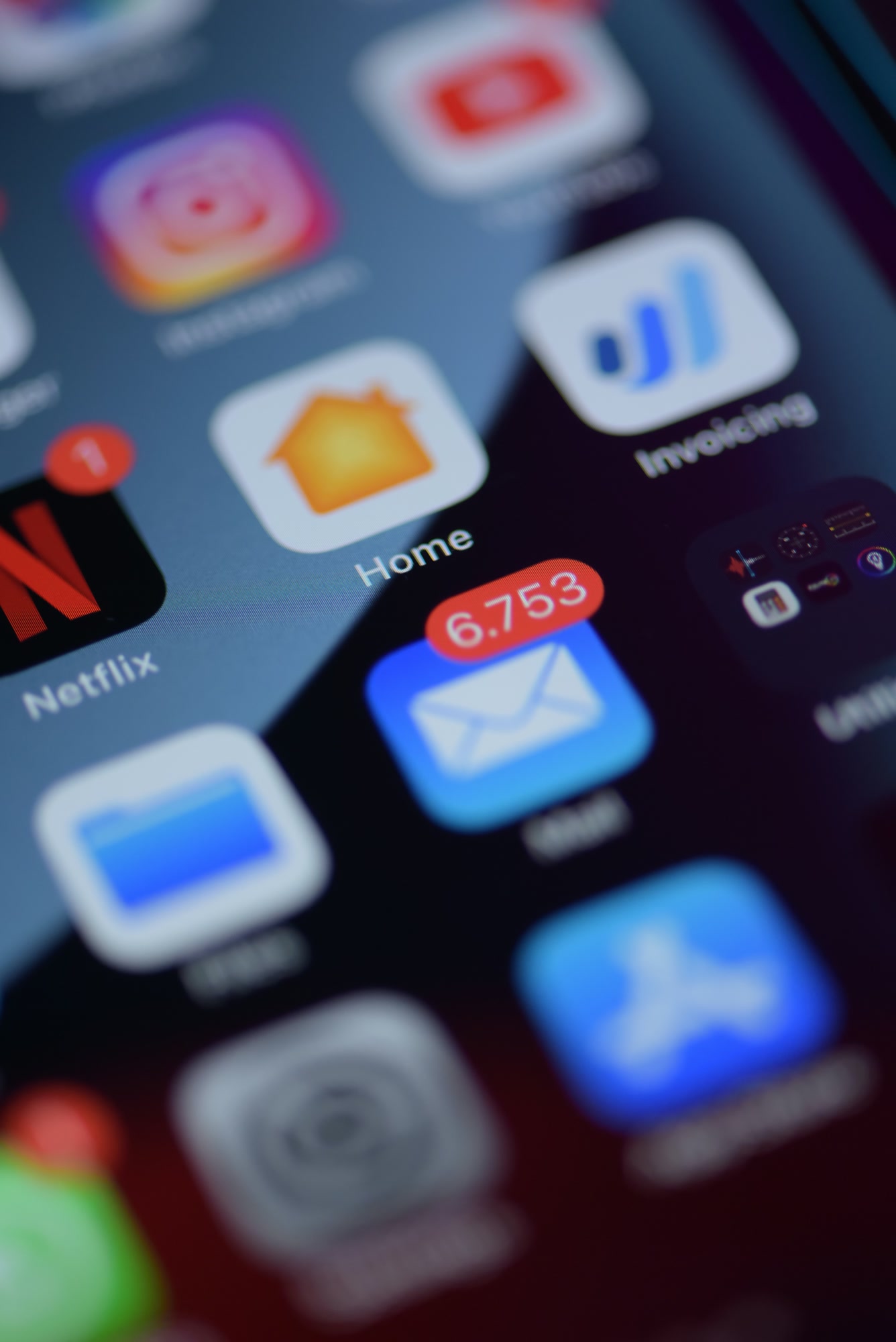
The average professional sends 40+ emails a day. I know because I tracked mine for a month after my reply backlog hit 340 unread messages on a Tuesday morning in February. That's the moment I stopped treating AI email response generators as a novelty and started treating them as infrastructure.
TL;DR — Key Takeaways
- AI email response generators reduce reply time by 60–80% for repetitive, high-volume correspondence — but they need proper context to avoid embarrassing outputs.
- The best tools in 2026 combine classification, tone matching, and calendar-aware scheduling into a single workflow, not just a text autocomplete button.
- Superhuman and Spark Mail offer solid AI reply drafting; Icebox differentiates with multilingual support across 22 languages and CASA Tier 2 security certification.
- Prompt-free generation (where the AI reads the thread and responds without you typing instructions) is now the baseline expectation — not a premium feature.
- The biggest risk isn't automation itself — it's sending AI drafts without a 5-second human review on anything relationship-critical.
The Problem With Most AI Reply Tools
Most AI email response generators launched between 2022 and 2024 had the same architecture flaw: they treated every email like a customer service ticket. One-turn, transactional, context-free. You'd get a draft that technically answered the question but sounded like it came from a bank's 1-800 line. Your colleague would clock it immediately.
The tools that actually work in 2026 do something different. They read the entire thread. They infer your relationship with the sender based on past exchanges. They match your writing style — not some generic "professional" template. That gap between 2023-era autocomplete and today's context-aware generation is enormous, and it's why adoption finally crossed the 35% mark among enterprise knowledge workers, according to Radicati Group's 2026 Email Statistics Report.
By 2026, over a third of enterprise email replies will be AI-assisted. The question is no longer whether to use these tools — it's which ones don't make you sound like a robot.
Radicati Group, 2026 Email Statistics Report
What Makes an AI Email Response Generator Actually Useful
I've tested Superhuman's AI replies, Spark Mail's Quick Replies, HEY's response suggestions, and Icebox's AI reply system over the past six months. Here's the honest breakdown of what separates the functional from the frustrating.
Thread Context Awareness
Thread context is the single biggest differentiator. A tool that only reads the last email in a chain will contradict things you said three messages ago. I caught Spark Mail doing this in March — it drafted a reply confirming a meeting time I had already told the sender I couldn't make. Mortifying if sent. The tools that ingest full thread history before generating eliminate this class of error almost entirely.
Tone Matching vs. Generic Professionalism
Your reply to a longtime client should not read identically to your reply to a cold outreach. Most early AI reply tools defaulted to a single register — formal, neutral, slightly stiff. Icebox's reply engine analyzes your historical sent folder to calibrate tone per sender. It's not perfect on first use, but by week three of active use, the drafts stopped needing heavy edits. That calibration period is the tradeoff — you're trading setup time for long-term accuracy.
Calendar-Aware Scheduling Within Replies
This one feature alone justifies the category. When someone asks "can we meet next week?", an AI email response generator that can check your calendar, identify open slots, and draft a reply with three specific options saves you the four-app shuffle. Icebox does this natively. Superhuman requires a separate scheduling integration. Neither is a dealbreaker, but the native approach is faster when you're at inbox zero trying to stay there.
Does AI Email Generation Actually Save Time, or Does It Create New Work?
This is the real question. And the honest answer is: it depends entirely on the quality of your review habits.
AI-generated drafts save time on transactional emails — acknowledgments, scheduling, status updates, FAQs. On average, I spend under 8 seconds editing those categories before sending. That's down from 90+ seconds of typing. Real savings. But for anything emotionally nuanced — a disappointed client, a salary negotiation, a sensitive team situation — the AI draft is a starting scaffold, not a finished product. It still saves time, but the editing overhead is real. Knowing which category your email falls into before hitting "generate" is the skill that separates power users from people who get burned.
- High ROI categories: meeting confirmations, invoice acknowledgments, status updates, FAQ replies, intro forwarding, newsletter unsubscribes
- Medium ROI categories: project feedback, vendor negotiations, team coordination, follow-ups on pending items
- Low ROI / high risk categories: conflict resolution, performance conversations, major client complaints, anything that will be forwarded externally
The Multilingual Problem Nobody Talks About
If you work in a global organization or with international clients, here's something that rarely comes up in AI email tool reviews: almost every major competitor is effectively English-first.
I manage a vendor relationship in German and another in Brazilian Portuguese. Testing Superhuman and HEY's AI reply systems in those languages produced drafts that were grammatically correct but tonally off in ways a native speaker would immediately notice. HEY's German drafts in particular leaned overly formal in contexts where business German has become significantly more casual since 2020. Not wrong. Just noticeably non-native.
Icebox supports 22 languages with localized tone calibration — not just translation. That's a meaningful operational advantage for teams where English isn't the working language. For a US-only solopreneur, this distinction is irrelevant. For a European SaaS company or a multinational ops team, it's a legitimate reason to pick one tool over another.
Security: The Overlooked Criterion for AI Email Tools
Every AI email response generator requires access to your inbox. That's the deal. Which means your email data — client names, contracts, compensation details, strategic plans — is being processed by a third-party AI system. Most professionals gloss over this. They shouldn't.
CASA (Cloud Application Security Assessment) Tier 2 is the certification standard to look for. It means the tool has been independently assessed for data handling, OAuth security scope, and API access controls. Icebox carries CASA Tier 2 certification. Most competitors don't publicly disclose their assessment status, which itself is informative. Before connecting any AI tool to a work inbox, verify what data is stored, for how long, and whether your emails are used for model training. Read the actual data processing agreement, not just the privacy page marketing copy.
Connecting an AI email tool to a corporate inbox without reviewing its data processing agreement is the 2026 equivalent of leaving your laptop unlocked in an airport lounge.
Internal security review, Q1 2026
How to Set Up an AI Email Response Generator That Doesn't Embarrass You
Setup matters more than most onboarding guides admit. Here's the workflow I use with Icebox — adaptable to any serious AI reply tool.
- Classify before you generate. Use smart classification (Icebox calls these labels; Gmail calls them categories) to separate newsletters, transactional mail, and direct correspondence. Run AI reply generation only on direct correspondence. Automating newsletter replies is not a use case.
- Set sender-level rules. Define which senders should always get human-only replies. VIP clients, your boss, board members, journalists — flag them. The AI should draft for these, but a flag should force a 10-second pause before sending.
- Let the system learn for 2 weeks before editing aggressively. Early drafts will be off. Editing them trains the style model. Deleting them without editing doesn't. This is the part most people skip, and it's why their AI drafts never improve.
- Use the quarantine and blackhole features to clean the input data. The AI replies generate better when your inbox isn't polluted with spam, promotional mail, and cold outreach. Icebox's blackhole feature permanently routes junk before it reaches your inbox — this isn't just a hygiene feature, it directly improves AI draft quality.
- Review every outbound draft for the first 30 days. After that, you'll have a clear sense of which email categories are safe to send with a 3-second skim and which need real editing.
The Honest Verdict on AI Email Response Generators in 2026
These tools have crossed the threshold from interesting experiment to genuine productivity infrastructure — but only for professionals willing to invest two weeks of calibration and develop honest judgment about which emails should stay human-authored.
Superhuman is still the fastest pure-speed email client with solid AI drafting. Spark Mail is excellent for teams that live in Apple's ecosystem. HEY remains the best option if you want opinionated inbox philosophy baked into the product design. Notion Mail is maturing quickly and worth watching if your team already uses Notion's workspace. None of them are wrong choices.
Where Icebox earns its place: multilingual support that's actually calibrated rather than just translated, CASA Tier 2 security for teams with real compliance requirements, and a spam/quarantine architecture that improves AI output quality rather than treating it as a separate concern. If those aren't your pain points, you might be fine with a competitor. If they are — the answer is clear.
Start your Icebox free trial at icebox.cool and run it against your actual inbox for two weeks. If you're not drafting faster with fewer embarrassing edits by day 14, the category isn't ready for you yet. But for most professionals in 2026, it is.