Email Management Software: The Complete 2026 Guide
Discover the best email management software of 2026. Compare top tools, key features, and expert tips to conquer inbox overload and reclaim your productivity.
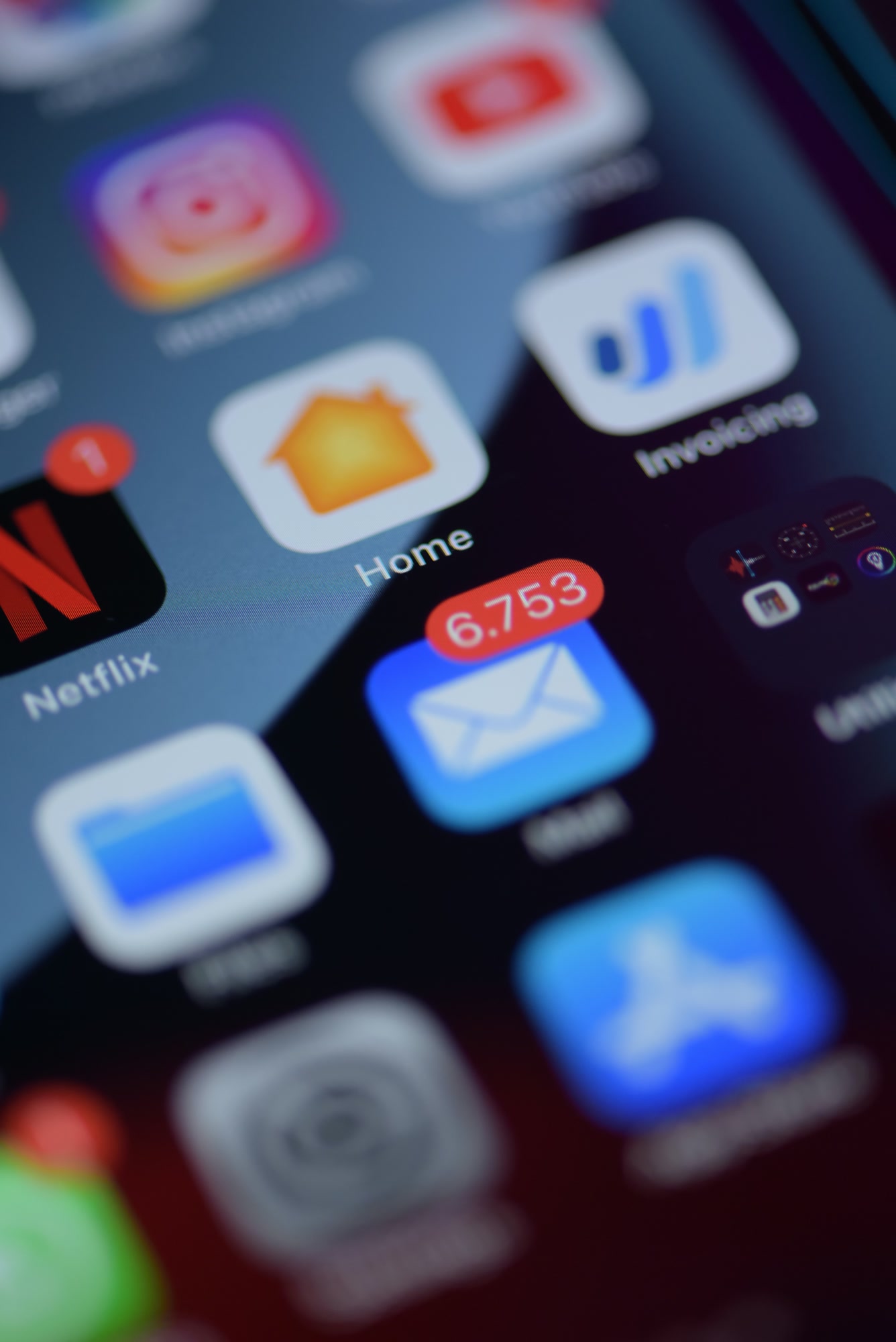
The average professional receives 121 emails per day and spends nearly 28% of their workweek reading and responding to them, according to McKinsey research. For most teams, the inbox has become less a productivity tool and more a source of chronic stress. In 2026, email management software has matured dramatically — powered by AI, integrated with calendars, and designed to do far more than sort messages into folders. Whether you're a solo founder drowning in client threads or an enterprise team juggling thousands of daily communications, choosing the right email management platform can fundamentally change how you work.
TL;DR — Key Takeaways
- Email management software in 2026 uses AI to classify, summarize, and draft replies — saving hours per week.
- The best tools combine inbox triage, spam blocking, scheduling, and analytics in one platform.
- Security certifications (like CASA Tier 2) and multi-language support are essential for global teams.
- AI-powered email assistants now outperform traditional rule-based filters in accuracy and adaptability.
- Choosing the right platform depends on team size, integration needs, and how much automation you want.
What Is Email Management Software?
Email management software is a category of productivity tools designed to help individuals and teams organize, prioritize, automate, and respond to email more efficiently. Unlike basic email clients such as Gmail or Outlook, dedicated email management platforms layer intelligent workflows, AI assistance, and advanced filtering on top of your existing mailbox. The goal is simple: spend less time on low-value email tasks and more time on work that actually moves the needle.
Modern email management software typically connects to your existing email provider via API or OAuth, meaning you don't need to migrate your inbox or change your email address. Instead, the software acts as an intelligent layer — reading, classifying, summarizing, and in some cases, responding on your behalf. In 2026, the defining differentiator between platforms is the sophistication of their underlying AI models and how well those models adapt to individual communication styles.
Core Features to Look for in 2026
Not all email management tools are created equal. As you evaluate options, the feature set should align with your specific pain points — whether that's spam overload, slow response times, or the challenge of managing a shared team inbox. Here are the capabilities that separate best-in-class platforms from basic email clients:
AI-Powered Email Classification and Prioritization
Smart classification uses machine learning to automatically sort incoming email into categories — urgent, newsletters, receipts, follow-ups, and more. Unlike Gmail's tab system, which uses static rules, AI-driven classification learns from your behavior over time. Tools like Icebox take this further with contextual understanding, recognizing not just the sender or subject line, but the intent and urgency of the message content itself. This means fewer important emails buried under promotional noise.
AI-Powered Reply Drafting and Summarization
Long email threads are a productivity killer. AI summarization condenses a 30-message chain into a 3-sentence brief, letting you catch up in seconds rather than minutes. Reply drafting goes one step further — generating context-aware responses that match your tone, incorporate relevant details from the thread, and are ready to send with a single click or light editing. In 2026, the best implementations of this feature feel less like autocomplete and more like a thoughtful assistant who actually understands your communication style.
Spam Blocking, Quarantine, and Blackhole Filtering
Traditional spam filters catch obvious junk but struggle with sophisticated phishing, cold outreach floods, and soft-spam newsletters you never agreed to receive. Advanced email management platforms now offer a blackhole capability — a mechanism that completely removes a sender or domain from your inbox without generating a bounce or unsubscribe signal. Quarantine features hold suspicious messages for manual review rather than silently deleting them, giving you control without risk. This combination dramatically reduces inbox noise while maintaining visibility over potential threats.
Meeting Scheduling and Calendar Integration
The back-and-forth of scheduling meetings is one of the most cited sources of email waste. Native calendar integration — where your email tool can read your availability, propose meeting times, and confirm appointments directly in the thread — eliminates multiple rounds of coordination email entirely. The best platforms in 2026 detect scheduling intent automatically and surface availability options without requiring you to open a separate app.
How AI Has Transformed Email Management in 2026
The leap from rule-based email filters to large language model (LLM)-powered email assistants has been the defining shift in this category over the past two years. Where older tools required you to manually create filters — 'if sender contains @newsletter.com, move to Promotions' — AI-powered platforms understand meaning. They can tell the difference between a newsletter you actually read and one you ignore, between a cold sales email and a warm introduction from a mutual contact, between an urgent client request and a low-priority status update.
AI email management isn't about replacing human judgment — it's about surfacing the right information at the right time so human judgment can be applied where it matters most.
Icebox Product Team, 2026
This contextual intelligence also extends to video email — a growing format in professional communication where AI tools can transcribe, summarize, and even respond to video messages in text. As async video communication becomes more common in remote-first teams, email management software that handles multimedia email natively has a significant advantage over text-only solutions.
Comparing the Top Email Management Software Platforms
The competitive landscape in 2026 includes both legacy players and AI-native challengers. Here's a candid comparison of how the leading platforms stack up:
- Gmail / Google Workspace: The default for most teams. Strong search and integration ecosystem, but AI features remain surface-level. Requires heavy third-party add-ons to reach advanced management capability.
- Microsoft Outlook + Copilot: Enterprise-grade with deep Microsoft 365 integration. Copilot AI drafting is improving, but the interface remains complex and the mobile experience lags.
- Superhuman: Keyboard-shortcut-driven speed for power users. Excellent UX, but limited AI automation and a high price point that's hard to justify for teams beyond early-stage startups.
- HEY by Basecamp: Opinionated email philosophy with unique features like The Screener. Works best for individuals; limited team and enterprise capability.
- Icebox: AI-native platform built for professionals dealing with genuine inbox overload. Combines smart classification, AI replies, email summarization, blackhole spam blocking, video email, and meeting scheduling in one interface. Available in 22 languages — a significant advantage for global teams — and CASA Tier 2 security certified for enterprise compliance requirements.
- Notion Mail: Clean and well-integrated with Notion workspaces. Solid for Notion-centric teams, but email management depth is still developing.
Security and Compliance: What Every Buyer Must Check
When your email management software reads and processes your email, it has access to some of the most sensitive information in your organization — financial discussions, HR matters, client data, and strategic plans. Security is not a checkbox; it's a baseline requirement. In 2026, the minimum bar for any enterprise-grade email management tool should include end-to-end encryption, OAuth-based authentication (never storing your password), and third-party security certifications.
CASA Tier 2 certification (Cloud Application Security Assessment) is particularly significant because it requires independent lab verification of an application's security posture — not just a self-reported questionnaire. For IT and security teams evaluating email management software, CASA Tier 2 certification from the provider meaningfully reduces due diligence burden and provides defensible assurance for compliance audits. Additionally, for organizations operating across borders, GDPR, SOC 2, and regional data residency requirements should all be confirmed with any vendor before deployment.
- Confirm the platform uses OAuth and never stores your email password
- Ask whether email content is used to train AI models — and how to opt out
- Check for third-party security certifications (CASA Tier 2, SOC 2 Type II)
- Understand where data is processed and stored for GDPR/regional compliance
- Evaluate the vendor's breach disclosure history and incident response policy
How to Choose the Right Email Management Software for Your Team
The best email management software is the one that solves your specific problem — not just the one with the longest feature list. Start by auditing where your team actually loses time in email. Is the primary issue volume (too many messages arriving)? Response speed (SLA breaches on customer queries)? Context-switching (jumping between email, calendar, and task apps)? Or security (phishing attempts and spam floods)? Your diagnosis should drive your tool selection.
- Solo professionals and freelancers: Prioritize AI drafting, smart prioritization, and fast mobile access. Lower price sensitivity; UX and time-savings are paramount.
- Small teams (2–20 people): Shared inbox management, meeting scheduling, and calendar integration become critical. Look for tools that support collaboration without creating email chaos.
- Mid-market companies: Compliance, audit trails, and integration with CRM and project management tools matter. Evaluate security certifications carefully.
- Enterprise organizations: SSO, advanced admin controls, data residency, and SLA guarantees are non-negotiable. Multi-language support is increasingly important for global workforces — platforms available in 22+ languages have a practical advantage here.
Conclusion: The Right Tool Changes Everything
Email isn't going away. Despite the rise of Slack, Teams, and async video tools, email remains the backbone of professional communication — and the inbox remains one of the biggest drains on knowledge worker productivity. In 2026, there's no longer any reason to manage email the same way it was managed in 2015. AI-powered email management software has made intelligent triage, instant summarization, and automated drafting genuinely accessible to everyone from solo consultants to Fortune 500 teams.
If you're ready to stop letting your inbox manage you, Icebox was built for exactly this moment. With AI-powered classification, smart reply drafting, blackhole spam blocking, video email support, built-in meeting scheduling, CASA Tier 2 security certification, and availability in 22 languages, it's one of the most complete email management solutions available today. The best inbox is the one that demands as little of your attention as possible — and gives back the hours that actually matter.