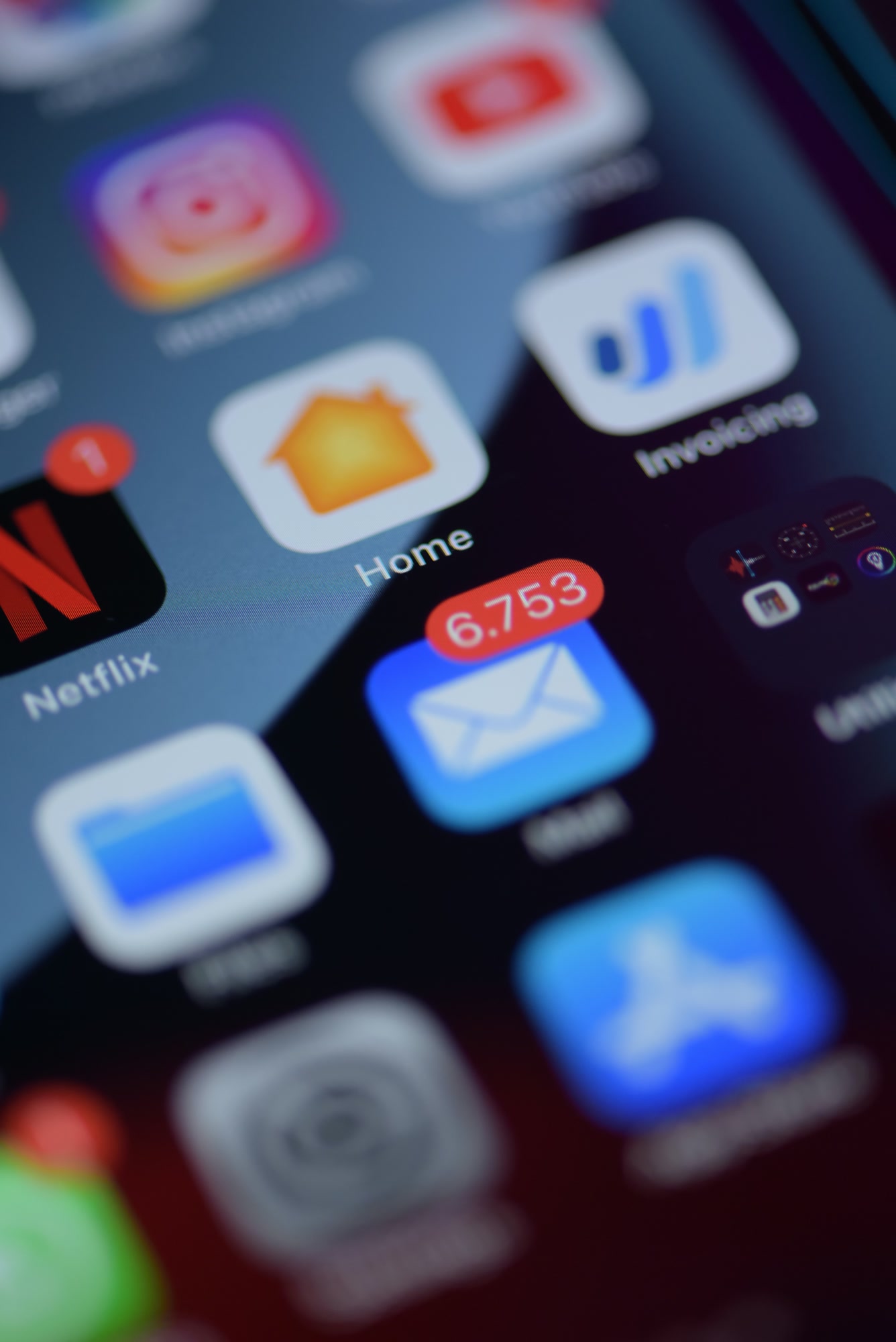
Superhuman vs Gmail: Which Email Client Wins in 2026?
Superhuman costs $30/month. Gmail is free. But the real question isn't price — it's whether either tool actually solves inbox overload. Here's the honest breakdown.
I spent $360 on Superhuman last year. I also have a Gmail account I've used since 2009. After testing both back-to-back — and eventually switching to a different workflow entirely — I can tell you that the Superhuman vs Gmail debate misses the point by about a mile. The real question isn't which UI is prettier or which has better keyboard shortcuts. It's whether either of these tools actually prevents you from losing half your workday to email.
TL;DR: Key Takeaways
- Gmail is free, works for most people, but lacks meaningful AI that reduces actual decision-making burden.
- Superhuman is fast and well-designed, but at $30/month it's optimized for speed — not for inbox intelligence.
- Neither tool classifies, summarizes, or auto-routes email the way modern AI-first clients do in 2026.
- The productivity gap between power users and casual users has widened significantly — your email client choice matters more than it did in 2020.
- There's a third category of tool worth knowing about before you decide.
What Superhuman Actually Gets Right
Superhuman's core value proposition is speed. The onboarding is one-on-one with a human coach. The keyboard shortcut system is genuinely excellent — I archived 200 emails in under 10 minutes after three days of muscle memory training. Read statuses, split inbox, and their "AI Triage" feature (launched in late 2024) are all thoughtfully executed.
Their social graph feature — which predicts email importance based on who you communicate with most — is one of the smartest signal-based features in any email client right now. It's not perfect, but it's better than Gmail's Priority Inbox, which has barely improved since 2010.
The honest problem with Superhuman: it's a speed layer on top of Gmail or Outlook. You still connect your existing email account. You still get every email. The tool helps you process email faster — it doesn't reduce the volume or pre-filter decisions at the source. For inbox-zero devotees who want to spend 45 minutes a day on email instead of 90, that's genuinely valuable. For professionals receiving 300+ emails a day, faster processing isn't enough.
What Gmail Actually Gets Right
Gmail in 2026 is not the same product it was in 2022. Google has rolled out Gemini-powered summarization into Gmail for Workspace users, and the Smart Reply / Smart Compose features have improved substantially. Confidential Mode, scheduled sending, and native integration with Google Meet and Calendar make it the most interconnected free email product on the market.
For teams already inside Google Workspace — which, per Statista's 2025 productivity software report, accounts for roughly 3 billion active users globally — switching away from Gmail introduces real coordination friction. Shared labels, collaborative inboxes, delegation features: these work best when everyone is on the same platform.
That said, Gmail's AI features feel bolted on rather than native. Gemini summaries appear in a sidebar that most users ignore. The categorization tabs (Primary, Social, Promotions) were revolutionary in 2013 and are now table stakes. Gmail's biggest limitation in 2026 is that it's built for everyone — which means it's optimized for no one in particular.
Is Superhuman Worth $30/Month?
Yes — for a specific type of user. If you're a founder, investor, or senior executive who: (a) responds to email personally rather than delegating, (b) values speed as the primary metric, and (c) has trained yourself on keyboard-first workflows, Superhuman pays for itself within weeks. Time is money and all that.
The value breaks down for mid-level professionals, team leads, or anyone whose inbox problem is volume and noise rather than processing speed. Paying $30/month to fly through email faster doesn't help if 60% of what hits your inbox shouldn't be there at all.
Superhuman makes you a faster runner on a treadmill. The better question is whether you should be running at all.
A reframe I keep coming back to after testing 11 email clients over 18 months
Where Both Tools Fall Short in 2026
Neither Superhuman nor Gmail solves the upstream problem: email keeps arriving, and both tools assume your job is to react to it. The state of the art in 2026 has moved past this model.
Modern AI email tools — including Icebox — are built on a fundamentally different premise: classify and filter first, surface only what needs human attention, and handle the rest automatically. Icebox's smart classification layer, for example, categorizes incoming email into actionable buckets before you ever open your inbox. The blackhole feature blocks spam at the source permanently — not just filters it into a folder you'll never check. The quarantine system holds ambiguous senders until you approve them.
When I first tried this approach, I was skeptical. I'd been burned by over-aggressive filtering in the past — missed a client email because a rule misfired, and spent two days recovering the relationship. The difference with AI-driven classification is context awareness. It's not just matching sender addresses against a blocklist. It's understanding email content, sender history, and behavioral patterns together.
- Superhuman gap: Requires manual triage — AI assist helps but doesn't replace decision-making.
- Gmail gap: Gemini summaries are passive; no proactive inbox management built in.
- Both gaps: Neither has meaningful spam blocking at the network level.
- Both gaps: Neither tool supports video email natively — which matters for async-first teams in 2026.
- Both gaps: English-first design; Superhuman has no multilingual support; Gmail's internationalization is better but still incomplete for enterprise teams.
How Do Superhuman and Gmail Compare on Security?
For most professionals, Gmail's security posture is strong enough. Google's infrastructure, two-factor authentication, and phishing detection are industry-leading at scale. Superhuman inherits your Gmail or Outlook account's security — it doesn't add a meaningful security layer of its own.
Where this gets interesting for enterprise buyers: CASA Tier 2 certification. This is a security assessment framework from the Cloud Security Alliance that verifies an application's data handling practices against OWASP standards. Icebox holds CASA Tier 2 certification. Neither Superhuman nor Gmail-as-a-standalone-client carries equivalent third-party verification for data security. For compliance-conscious teams — legal, finance, healthcare — this distinction matters during procurement.
Not trying to oversell a single credential. But if you're evaluating email tools for a team that handles sensitive client data, asking vendors for their security certifications is the right move. Most can't produce them.
The Honest Recommendation
Here's where I'll disagree with most comparison articles on this topic: the Superhuman vs Gmail decision shouldn't be the primary decision you make about email in 2026.
Both are solid tools optimized for the email paradigm of 2015 — open inbox, read everything, respond, archive, repeat. If your email volume is under 50 messages per day and you're disciplined about inbox hygiene, Gmail is probably all you need. If you respond to hundreds of emails personally and can justify $360/year, Superhuman is genuinely well-built and worth testing.
But if you're a professional whose inbox is actively hurting your ability to do deep work — and per McKinsey's 2024 Workplace Productivity report, knowledge workers still spend 28% of the workweek on email — the smarter move is to adopt an AI-first tool designed to eliminate inbox noise at the source rather than help you process it slightly faster.
- Choose Gmail if: you're on Google Workspace, email volume is manageable, and cost matters.
- Choose Superhuman if: you're a high-volume responder who has already mastered keyboard-driven workflows and can justify the subscription.
- Consider Icebox if: your problem is volume, noise, and AI-powered classification — especially if your team operates in multiple languages or needs stronger spam blocking.
The email client wars of 2026 are less about UI and more about intelligence. The tools that earn your attention will be the ones that reduce how much attention email demands in the first place.
If you want to see how AI-first email management works in practice, Icebox offers a free trial at icebox.cool. No credit card required. Try it for two weeks against whatever you're using now and see what the volume difference looks like.